คำอธิบายผลิตภัณฑ์
Agricultural gearbox for machinery application 540 pto tractor speed increaser manufacturers suppliers miter bevel rotary mower cutter tiller brush hog mower
Application of Agricultural gearbox
Agricultural gearboxes are used in a wide variety of agricultural equipment, including:
- Tractors: Agricultural gearboxes are used in tractors to transmit power from the engine to the wheels. This allows the tractor to move forward, backward, and turn.
- Combine harvesters: Agricultural gearboxes are used in combine harvesters to transmit power from the engine to the various components of the harvester, such as the header, thresher, and auger. This allows the combine harvester to harvest crops efficiently.
- Plows: Agricultural gearboxes are used in plows to transmit power from the tractor to the plow blade. This allows the plow to turn the soil over and prepare it for planting.
- Sprayers: Agricultural gearboxes are used in sprayers to transmit power from the tractor to the sprayer boom. This allows the sprayer to apply pesticides and fertilizers evenly across a field.
- Harvester heads: Agricultural gearboxes are used in harvester heads to transmit power from the combine harvester to the various components of the head, such as the cutter bar, auger, and thresher. This allows the harvester head to harvest crops efficiently.
Agricultural gearboxes are an essential part of agricultural equipment. They allow agricultural equipment to operate efficiently and effectively, which helps farmers to produce food more efficiently and sustainably.
Here are some of the benefits of using agricultural gearboxes:
- Increased productivity: Agricultural gearboxes can help farmers to increase their productivity by making it easier and faster to complete tasks.
- Reduced costs: Agricultural gearboxes can help farmers to reduce their costs by making it easier to maintain and repair equipment.
- Improved quality: Agricultural gearboxes can help farmers to improve the quality of their products by making it easier to control the production process.
- Increased safety: Agricultural gearboxes can help farmers to increase their safety by making it easier to operate equipment and reduce the risk of accidents.
As you can see, agricultural gearboxes are an important part of agricultural equipment. They offer a number of benefits that can help farmers to produce food and other agricultural products more efficiently, effectively, and safely.
| แอปพลิเคชัน: | Motor, Electric Cars, Motorcycle, Machinery, Marine, Toy, Agricultural Machinery, Car |
|---|---|
| การทำงาน: | Distribution Power, Clutch, Change Drive Torque, Change Drive Direction, Speed Changing, Speed Reduction, Speed Increase |
| รูปแบบ: | Three-Ring |
| ความแข็ง: | ผิวฟันแข็ง |
| วิธีการติดตั้ง: | Torque Arm Type |
| ขั้นตอน: | Stepless |
| ตัวอย่าง: |
US$ 9999/Piece
1 ชิ้น (สั่งขั้นต่ำ) | |
|---|
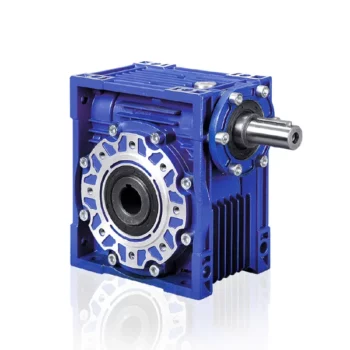
Is it Possible to Reverse the Direction of a Worm Gearbox?
Yes, it is possible to reverse the direction of a worm gearbox by changing the orientation of either the input or output shaft. However, reversing the direction of a worm gearbox can have some implications that need to be considered:
- Efficiency: Reversing the direction of a worm gearbox can potentially affect its efficiency. Worm gearboxes are typically more efficient in one direction of rotation due to the design of the worm and worm wheel.
- กระแสต่อต้าน: Reversing the direction of rotation might lead to increased backlash or play in the gearbox, which can impact precision and smooth operation.
- Lubrication: Depending on the gearbox’s design, reversing the direction could affect lubrication distribution and lead to uneven wear on the gear teeth.
- Load: Reversing the direction might also impact the gearbox’s load-carrying capacity, especially if it’s designed for predominantly one-way operation.
- เสียงและการสั่นสะเทือน: Direction reversal can sometimes result in increased noise and vibration due to changes in gear engagement and meshing behavior.
If you need to reverse the direction of a worm gearbox, it’s advisable to consult the gearbox manufacturer’s guidelines and recommendations. They can provide insights into whether the specific gearbox model is suitable for reversible operation and any precautions or adjustments needed to ensure proper functioning.
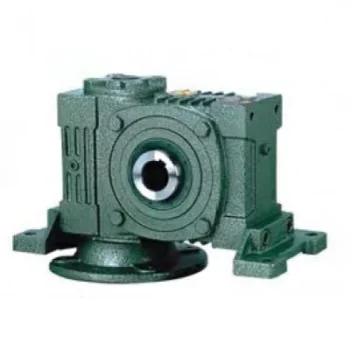
การวินิจฉัยและแก้ไขปัญหาน้ำมันรั่วในเกียร์หนอน
การรั่วไหลของน้ำมันในเกียร์หนอนอาจทำให้การหล่อลื่นลดลง แรงเสียดทานเพิ่มขึ้น และอาจทำให้ชิ้นส่วนเกียร์เสียหายได้ ต่อไปนี้คือขั้นตอนการวินิจฉัยและแก้ไขการรั่วไหลของน้ำมัน:
- ตรวจสอบเกียร์: ตรวจสอบเกียร์ด้วยสายตาเพื่อหาสาเหตุของการรั่วไหล ตรวจดูคราบน้ำมัน จุดเปียก หรือน้ำมันขังรอบๆ เกียร์
- ตรวจสอบซีลและปะเก็น: ตรวจสอบซีล ปะเก็น และโอริงว่ามีร่องรอยการสึกหรอ รอยแตก หรือความเสียหายหรือไม่ ชิ้นส่วนเหล่านี้มักเป็นจุดที่ทำให้เกิดการรั่วไหลได้
- ขันน็อตและตัวยึดให้แน่น: ตรวจสอบให้แน่ใจว่าน็อต สกรู และตัวยึดทั้งหมดขันแน่นดีแล้ว ตัวยึดที่หลวมอาจทำให้เกิดช่องว่างซึ่งทำให้น้ำมันรั่วออกมาได้
- เปลี่ยนซีลที่ชำรุด: หากพบซีลหรือปะเก็นชำรุด ให้เปลี่ยนด้วยชิ้นใหม่ ควรใช้ซีลที่เหมาะสมกับสภาพการใช้งานและสารหล่อลื่น
- ตรวจสอบช่องระบายอากาศ: ช่องระบายอากาศที่อุดตันหรือทำงานผิดปกติอาจทำให้เกิดแรงดันสะสมภายในเกียร์ ส่งผลให้เกิดการรั่วไหล ทำความสะอาดหรือเปลี่ยนช่องระบายอากาศหากจำเป็น
- ตรวจสอบซีลเพลา: ตรวจสอบซีลเพลาว่ามีการสึกหรอหรือเสียหายหรือไม่ หากสึกหรอ ให้เปลี่ยนใหม่ด้วยซีลที่มีขนาดและวัสดุที่เหมาะสม
- ใช้สารหล่อลื่นที่เหมาะสม: โปรดตรวจสอบให้แน่ใจว่าคุณใช้สารหล่อลื่นที่ถูกต้องตามที่แนะนำสำหรับเกียร์ การใช้สารหล่อลื่นผิดประเภทอาจทำให้เกิดการรั่วซึมได้
- ทาวัสดุเคลือบผิว: ในบางกรณี การใช้สารกันรั่วซึมที่เหมาะสมกับรอยต่อและจุดเชื่อมต่อต่างๆ สามารถช่วยป้องกันการรั่วซึมได้ โปรดปฏิบัติตามคำแนะนำของผู้ผลิตสำหรับการใช้งานที่ถูกต้อง
- ตรวจสอบการรั่วไหล: หลังจากแก้ไขปัญหาแล้ว ให้ตรวจสอบเกียร์อย่างต่อเนื่องเพื่อดูว่ายังมีรอยรั่วอยู่หรือไม่ หากยังคงมีรอยรั่วอยู่ อาจจำเป็นต้องตรวจสอบเพิ่มเติม
- การบำรุงรักษาตามปกติ: ควรจัดทำตารางการบำรุงรักษาอย่างสม่ำเสมอ ซึ่งรวมถึงการตรวจสอบซีล ปะเก็น และจุดที่อาจเกิดการรั่วซึมอื่นๆ การบำรุงรักษาอย่างทันท่วงทีสามารถป้องกันปัญหาการรั่วซึมในอนาคตได้
หากคุณไม่แน่ใจเกี่ยวกับการวินิจฉัยหรือซ่อมแซมการรั่วไหลของน้ำมันในเกียร์หนอน ควรปรึกษาผู้เชี่ยวชาญหรือผู้ผลิตเกียร์เพื่อให้แน่ใจว่าได้รับการแก้ไขอย่างถูกต้อง
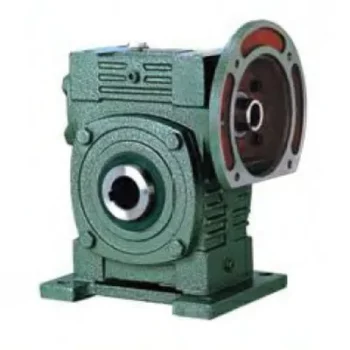
Types of Worm Gear Configurations and Their Uses
Worm gear configurations vary based on the arrangement of the worm and the gear it engages with. Here are common types and their applications:
- Single Enveloping Worm Gear: This configuration offers high torque transmission and efficiency. It’s used in heavy-duty applications like mining equipment and industrial machinery.
- Double Enveloping Worm Gear: With increased contact area, this type provides higher load capacity and improved efficiency. It’s used in aerospace applications, robotics, and precision machinery.
- Non-Throated Worm Gear: This type has a cylindrical worm without a throat. It’s suitable for applications requiring precise motion control, such as CNC machines and robotics.
- Throated Worm Gear: Featuring a throat in the worm, this configuration offers smooth engagement and higher load capacity. It’s used in conveyors, elevators, and automotive applications.
- Non-Modular Worm Gear: In this design, the worm and gear are a matched set, resulting in better meshing and efficiency. It’s utilized in various industries where customization is essential.
- Modular Worm Gear: This type allows interchangeability of worm and gear components, providing flexibility in design and maintenance. It’s commonly used in conveyors, mixers, and material handling systems.
Selecting the appropriate worm gear configuration depends on factors such as load capacity, efficiency, precision, and application requirements. Consulting gearbox experts can help determine the best configuration for your specific needs.


แก้ไขโดย CX 2023-09-22