Description du produit
Description du produit
Matériaux principaux :
1)boîtier : alliage d'aluminium ADC12 (taille 571-090) ; fonte sous pression HT200 (taille 110-150) ;
2) Vis sans fin : 20Cr, profil en développante ZI ; le traitement thermique de carbonisation et de trempe permet d'atteindre une dureté de surface de l'engrenage de 56 à 62 HRC ; après rectification de précision, l'épaisseur de la couche de cémentation est comprise entre 0,3 et 0,5 mm.
3) Roue à vis sans fin : alliage d'étain résistant à l'usure CuSn10-1
Photos détaillées
Options de combinaison :
Entrée : avec arbre d'entrée, avec bride carrée, avec bride d'entrée conforme à la norme CEI
Sortie : avec bras de couple, bride de sortie, arbre de sortie simple, arbre de sortie double, couvercle en plastique
Les réducteurs à vis sans fin sont disponibles avec différentes combinaisons : NMRV+NMRV, NMRV+NRV, NMRV+PC, NMRV+UDL, NMRV+MOTEURS
Vue éclatée :
Paramètres du produit
| Ancien modèle |
Nouveau modèle | Rapport | Distance centrale | Pouvoir | Diamètre d'entrée. | Diamètre de sortie | Couple de sortie | Poids |
| RV571 | 7.5~100 | 25 mm | 0,06 kW à 0,12 kW | Φ9 | Φ11 | 21N.m | 0,7 kg | |
| RV030 | RW030 | 7.5~100 | 30 mm | 0,06 kW à 0,25 kW | Φ9(Φ11) | Φ14 | 45 N.m | 1,2 kg |
| RV040 | RW040 | 7.5~100 | 40 mm | 0,09 kW à 0,55 kW | Φ9(Φ11,Φ14) | Φ18(Φ19) | 84N.m | 2,3 kg |
| RV050 | RW050 | 7.5~100 | 50 mm | 0,12 kW à 1,5 kW | Φ11(Φ14,Φ19) | Φ25(Φ24) | 160 N.m | 3,5 kg |
| RV063 | RW063 | 7.5~100 | 63 mm | 0,18 kW à 2,2 kW | Φ14(Φ19,Φ24) | Φ25(Φ28) | 230 N.m | 6,2 kg |
| RV075 | RW075 | 7.5~100 | 75 mm | 0,25 kW à 4,0 kW | Φ14(Φ19,Φ24,Φ28) | Φ28(Φ35) | 410 N.m | 9,0 kg |
| RV090 | RW090 | 7.5~100 | 90 mm | 0,37 kW à 4,0 kW | Φ19(Φ24,Φ28) | Φ35(Φ38) | 725 N.m | 13,0 kg |
| RV110 | RW110 | 7.5~100 | 110 mm | 0,55 kW à 7,5 kW | Φ19(Φ24,Φ28,Φ38) | Φ42 | 1050 N.m | 35,0 kg |
| RV130 | RW130 | 7.5~100 | 130 mm | 0,75 kW à 7,5 kW | Φ24(Φ28,Φ38) | Φ45 | 1550 N.m | 48,0 kg |
| RV150 | RW150 | 7.5~100 | 150 mm | 2,2 kW à 15 kW | Φ28(Φ38,Φ42) | Φ50 | 84,0 kg |
Dimensions du contour du GMRV :
| GMRV | UN | B | C | C1 | D(H8) | E(h8) | F | G | G1 | H | H1 | je | M | N | O | P | Q | R | S | T | BL | β | b | t | V |
| 030 | 80 | 97 | 54 | 44 | 14 | 55 | 32 | 56 | 63 | 65 | 29 | 55 | 40 | 57 | 30 | 75 | 44 | 6.5 | 21 | 5.5 | M6*10(n=4) | 0° | 5 | 16.3 | 27 |
| 040 | 100 | 121.5 | 70 | 60 | 18(19) | 60 | 43 | 71 | 78 | 75 | 36.5 | 70 | 50 | 71.5 | 40 | 87 | 55 | 6.5 | 26 | 6.5 | M6*10(n=4) | 45° | 6 | 20.8(21.8) | 35 |
| 050 | 120 | 144 | 80 | 70 | 25(24) | 70 | 49 | 85 | 92 | 85 | 43.5 | 80 | 60 | 84 | 50 | 100 | 64 | 8.5 | 30 | 7 | M8*12(n=4) | 45° | 8 | 28.3(27.3) | 40 |
| 063 | 144 | 174 | 100 | 85 | 25(28) | 80 | 67 | 103 | 112 | 95 | 53 | 95 | 72 | 102 | 63 | 110 | 80 | 8.5 | 36 | 8 | M8*12(n=8) | 45° | 8 | 28.3(31.3) | 50 |
| 075 | 172 | 205 | 120 | 90 | 28(35) | 95 | 72 | 112 | 120 | 115 | 57 | 112.5 | 86 | 119 | 75 | 140 | 93 | 11 | 40 | 10 | M8*14(n=8) | 45° | 8(10) | 31.3(38.3) | 60 |
| 090 | 206 | 238 | 140 | 100 | 35(38) | 110 | 74 | 130 | 140 | 130 | 67 | 129.5 | 103 | 135 | 90 | 160 | 102 | 13 | 45 | 11 | M10*16(n=8) | 45° | 10 | 38.3(41.3) | 70 |
| 110 | 255 | 295 | 170 | 115 | 42 | 130 | – | 144 | 155 | 165 | 74 | 160 | 127.5 | 167.5 | 110 | 200 | 125 | 14 | 50 | 14 | M10*18(n=8) | 45° | 12 | 45.3 | 85 |
| 130 | 293 | 335 | 200 | 120 | 45 | 180 | – | 155 | 170 | 215 | 81 | 179 | 146.5 | 187.5 | 130 | 250 | 140 | 16 | 60 | 15 | M12*20(n=8) | 45° | 14 | 48.8 | 100 |
| 150 | 340 | 400 | 240 | 145 | 50 | 180 | – | 185 | 200 | 215 | 96 | 210 | 170 | 230 | 150 | 250 | 180 | 18 | 72.5 | 18 | M12*22(n=8) | 45° | 14 | 53.8 | 120 |
Profil de l'entreprise
À propos de la transmission CHINAMFG:
Nous sommes un fabricant professionnel de réducteurs situé à Hangzhou, dans la province de Hangzhou.
Nos produits phares sont une gamme complète de réducteurs à vis sans fin RV571-150, nous fournissons également des réducteurs hélicoïdaux hypoïdes GKM, des réducteurs hélicoïdaux en ligne GRC, des unités PC, des variateurs UDL et des moteurs AC, ainsi que des motoréducteurs hélicoïdaux G3.
Nos produits sont largement utilisés dans des applications telles que : l'agroalimentaire, la céramique, l'emballage, la chimie, la pharmacie, les plastiques, la fabrication du papier, les machines de construction, les mines métallurgiques, le génie de la protection de l'environnement, et tous types de lignes automatisées et de chaînes de montage.
Grâce à une livraison rapide, un service après-vente de qualité et des installations de production modernes, nos produits se vendent bien tant sur le marché national qu'à l'étranger. Nous exportons nos réducteurs en Asie du Sud-Est, en Europe de l'Est, au Moyen-Orient, etc. Notre objectif est de développer et d'innover en misant sur la haute qualité, et de bâtir une excellente réputation dans le domaine des réducteurs.
Informations sur l'emballage : sacs en plastique + cartons + caisses en bois, ou sur demande
Nous participons à l'exposition de Hanovre en Allemagne, à la foire PTC du Zhejiang en Turquie et à Win Eurasia.
Logistique
Service après-vente
1. Durée et garantie de l'entretienDans un délai d'un an après réception des marchandises.
2. Autres services: Y compris un guide de sélection des modèles, un guide d'installation et un guide de résolution des problèmes, etc.
FAQ
1.Q : Pouvez-vous réaliser une fabrication selon le dessin du client ?
R : Oui, nous proposons un service personnalisé en fonction des besoins de nos clients. Nous pouvons utiliser la plaque signalétique du client pour les boîtes de vitesses.
2.Q : Quelles sont vos conditions de paiement ?
A: 30% dépôt avant production, solde T/T avant livraison.
3.Q : Êtes-vous une société commerciale ou un fabricant ?
A: Nous sommes un fabricant doté d'équipements de pointe et d'une main-d'œuvre expérimentée.
4.Q : Quelle est votre capacité de production ?
A: 8000-9000 PIÈCES/MOIS
5.Q : Un échantillon gratuit est-il disponible ou non ?
R : Oui, nous pouvons fournir un échantillon gratuit si le client accepte de prendre en charge les frais de livraison.
6.Q : Avez-vous un certificat ?
R: Oui, nous possédons le certificat CE et le rapport de certification SGS.
Coordonnées:
Mme Lingel Pan
Pour toute question, n'hésitez pas à me contacter. Un grand merci pour l'attention que vous portez à notre entreprise !
| Application: | Moteurs, machines, machines marines, machines agricoles, industrie |
|---|---|
| Fonction: | Distribution Power, Change Drive Torque, Change Drive Direction, Speed Changing, Speed Reduction |
| Mise en page: | Angle droit |
| Dureté: | Surface dentaire durcie |
| Installation: | Type horizontal |
| Étape: | Double-pas |
| Exemples : |
US$ 10/Pièce
1 pièce (commande minimale) | |
|---|
| Personnalisation : |
Disponible
| Demande personnalisée |
|---|
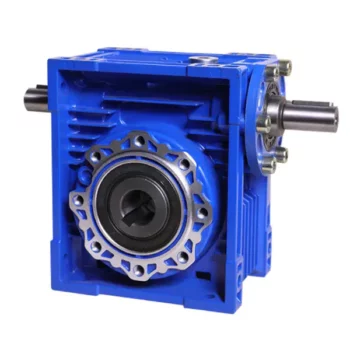
What are the Noise Levels Associated with Worm Gearboxes?
The noise levels associated with worm gearboxes can vary depending on several factors, including the design, quality, operating conditions, and maintenance of the gearbox. Here are some key points to consider:
- Design and Quality: Well-designed and high-quality worm gearboxes tend to produce lower noise levels. Factors such as gear tooth profile, precision manufacturing, and proper alignment can contribute to reduced noise.
- Gear Engagement: The way the worm and worm wheel engage and mesh with each other can impact noise levels. Proper tooth contact and alignment can help minimize noise during operation.
- Lubrication: Inadequate or improper lubrication can lead to increased friction and wear, resulting in higher noise levels. Using the recommended lubricant and maintaining proper lubrication levels are important for noise reduction.
- Operating Conditions: Operating the gearbox within its specified load and speed limits can help prevent excessive noise generation. Overloading or operating at high speeds beyond the gearbox’s capabilities can lead to increased noise.
- Backlash: Excessive backlash or play between the gear teeth can lead to impact noise as the teeth engage. Proper backlash adjustment can help mitigate this issue.
- Maintenance: Regular maintenance, including gear inspection, lubrication checks, and addressing any wear or damage, can help keep noise levels in check.
It’s important to note that while worm gearboxes can produce some noise due to the nature of gear meshing, proper design, maintenance, and operation can significantly reduce noise levels. If noise is a concern for your application, consulting with gearbox manufacturers and experts can provide insights into selecting the right gearbox type and implementing measures to minimize noise.
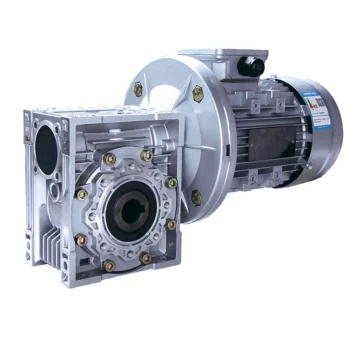
Does a Worm Reducer Require Frequent Maintenance?
Worm reducers generally require less frequent maintenance compared to some other types of gearboxes due to their design and operating characteristics. However, maintenance is still essential to ensure optimal performance and longevity. Here are some key points to consider:
- Lubrication: Proper lubrication is crucial for worm gearboxes. Regularly check the lubricant level and quality to prevent wear and overheating. Lubricant should be changed as recommended by the manufacturer.
- Inspections: Periodically inspect the gearbox for signs of wear, damage, or oil leaks. Check for any unusual noises, vibrations, or changes in performance that could indicate a problem.
- Tightening and Alignment: Check and tighten any loose fasteners and ensure that the gearbox is properly aligned. Misalignment can lead to increased wear and reduced efficiency.
- Seal Maintenance: Inspect and maintain seals to prevent oil leakage and contaminants from entering the gearbox.
- Cleaning: Keep the gearbox clean from debris and contaminants that could affect its performance. Regular cleaning can prevent premature wear and damage.
- Load and Speed: Ensure that the gearbox is operating within its rated load and speed limits. Exceeding these limits can lead to accelerated wear and potential failure.
- Environmental Conditions: Consider the operating environment of the gearbox. Extreme temperatures, humidity, and other factors can impact the gearbox’s performance and longevity.
While worm gearboxes are known for their durability and self-locking feature, neglecting maintenance can lead to premature wear, reduced efficiency, and potential breakdowns. Following the manufacturer’s recommendations for maintenance intervals and procedures is essential to keep the worm reducer in optimal condition.
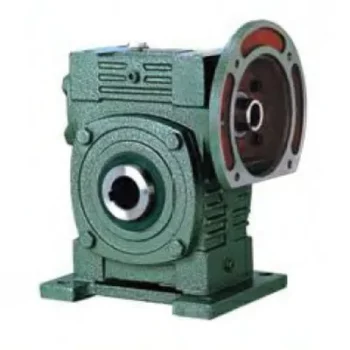
Types of Worm Gear Configurations and Their Uses
Worm gear configurations vary based on the arrangement of the worm and the gear it engages with. Here are common types and their applications:
- Single Enveloping Worm Gear: This configuration offers high torque transmission and efficiency. It’s used in heavy-duty applications like mining equipment and industrial machinery.
- Double Enveloping Worm Gear: With increased contact area, this type provides higher load capacity and improved efficiency. It’s used in aerospace applications, robotics, and precision machinery.
- Non-Throated Worm Gear: This type has a cylindrical worm without a throat. It’s suitable for applications requiring precise motion control, such as CNC machines and robotics.
- Throated Worm Gear: Featuring a throat in the worm, this configuration offers smooth engagement and higher load capacity. It’s used in conveyors, elevators, and automotive applications.
- Non-Modular Worm Gear: In this design, the worm and gear are a matched set, resulting in better meshing and efficiency. It’s utilized in various industries where customization is essential.
- Modular Worm Gear: This type allows interchangeability of worm and gear components, providing flexibility in design and maintenance. It’s commonly used in conveyors, mixers, and material handling systems.
Selecting the appropriate worm gear configuration depends on factors such as load capacity, efficiency, precision, and application requirements. Consulting gearbox experts can help determine the best configuration for your specific needs.


editor by CX 2023-09-21