توضیحات محصول
SC Transmission WPDS Worm Shaft Reducer
Wp Series Worm Gear Reduction Gearbox
توضیحات محصول
Introductions of WP Series Worm Gearbox
WP Worm gearbox is developed on the basis of WD Worm gearbox for electric motor.
The worm is made of 45# high-quality steel by heat treatment. The worm wheel is made of tin bronze. The wear resistance is good, especially in the bearing capacity. This type gearbox is mainly used for the reduction transmission of various mechanical equipments such as plastics, metallurgy, beverages, mining, lifting and transportation, and chemical construction.
For industry applications that demand reliable speed reduction at a high energy efficiency, worm gearbox for electric motor offer a perfect solution. We carry worm gearbox for electric motor products in double reduction, single reduction and worm-helical types for versatile functionality, good performance.
Specifications
1,Small machine shape, light weight, without the use of shaft coupling, chain, sprockets and other transmission parts.
2,The space is small, the input shaft is mounted directly to the machine side, can effectively save space.
3,Low cost. Due to the direct installation, without transmission parts, assembly time can be reduced, in general, can reduce the cost of.
4,Easy installation, stable operation, long service life, high carrying capacity. Because of direct docking and motor installation, can completely prevent contact transmission parts, does not need a safety cover which can ensure the safety.
Application Scope
WP gear reducer series are widely used in food, leather, glass, ceramics, metallurgy, mining, lifting, transportation, cement, construction, chemical, textile, printing and dyeing, pharmaceutical and other equipment
Manufacture for WP worm gearbox single worm gearbox, double worm gearbox, universal worm gearbox. And Screw jack reducer.
Product Parameters
| Applicable Industries: | Manufacturing Plant, Food & Beverage Factory, Energy & Mining |
| Gearing Arrangement: | Worm |
| Output Torque: | 170-291 |
| Input Speed: | 1500 rpm (according to motor) |
| Output Speed: | 25 -300 |
| Place of Origin: | China |
| Housing Material: | Die-cast iron |
| Heat treatment: | Carburizing & Quenching |
Company Profile
سوالات متداول
Shipping
/* March 10, 2571 17:59:20 */!function(){function s(e,r){var a,o={};try{e&&e.split(“,”).forEach(function(e,t){e&&(a=e.match(/(.*?):(.*)$/))&&1
| کاربرد: | Motor, Machinery, Agricultural Machinery |
|---|---|
| سختی: | سطح دندانه سخت شده |
| نصب: | Horizontal Type |
| Gear Shape: | Bevel Gear |
| مرحله: | Single-Step |
| Type: | Worm Reducer |
| نمونهها: |
US$ 50/Piece
۱ قطعه (حداقل سفارش) | |
|---|
| Customization: |
Available
| Customized Request |
|---|
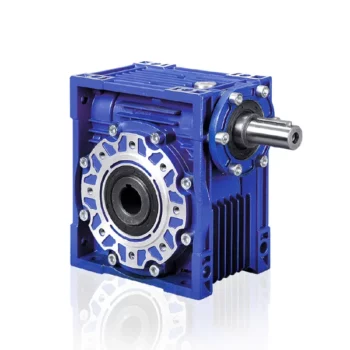
آیا میتوان جهت چرخش گیربکس حلزونی را معکوس کرد؟
بله، میتوان با تغییر جهت شفت ورودی یا خروجی، جهت گیربکس حلزونی را معکوس کرد. با این حال، معکوس کردن جهت گیربکس حلزونی میتواند پیامدهایی داشته باشد که باید در نظر گرفته شوند:
- کارایی: معکوس کردن جهت چرخش گیربکس حلزونی میتواند به طور بالقوه بر راندمان آن تأثیر بگذارد. گیربکسهای حلزونی به دلیل طراحی حلزون و چرخ حلزون، معمولاً در یک جهت چرخش راندمان بیشتری دارند.
- واکنش معکوس: معکوس کردن جهت چرخش ممکن است منجر به افزایش لقی یا لقی در گیربکس شود که میتواند بر دقت و عملکرد روان تأثیر بگذارد.
- روغن کاری: بسته به طراحی گیربکس، معکوس کردن جهت میتواند بر توزیع روغنکاری تأثیر بگذارد و منجر به سایش ناهموار دندانههای چرخدنده شود.
- بار: معکوس کردن جهت همچنین ممکن است بر ظرفیت حمل بار گیربکس تأثیر بگذارد، به خصوص اگر برای عملکرد عمدتاً یک طرفه طراحی شده باشد.
- سر و صدا و لرزش: تغییر جهت گاهی اوقات میتواند به دلیل تغییر در درگیری چرخدندهها و رفتار درگیری آنها، منجر به افزایش صدا و لرزش شود.
اگر نیاز به معکوس کردن جهت گیربکس حلزونی دارید، توصیه میشود به دستورالعملها و توصیههای سازنده گیربکس مراجعه کنید. آنها میتوانند در مورد اینکه آیا مدل خاص گیربکس برای عملکرد معکوس مناسب است یا خیر و هرگونه اقدامات احتیاطی یا تنظیماتی که برای اطمینان از عملکرد صحیح لازم است، ارائه دهند.
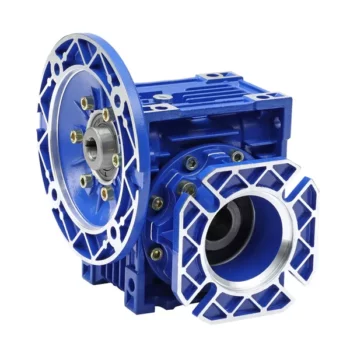
How to Calculate the Input and Output Speeds of a Worm Gearbox?
Calculating the input and output speeds of a worm gearbox involves understanding the gear ratio and the principles of gear reduction. Here’s how you can calculate these speeds:
- Input Speed: The input speed (N1) is the speed of the driving gear, which is the worm gear in this case. It is usually provided by the manufacturer or can be measured directly.
- Output Speed: The output speed (N2) is the speed of the driven gear, which is the worm wheel. To calculate the output speed, use the formula:
N2 = N1 / (Z1 * i)
Where:
N2 = Output speed (rpm)
N1 = Input speed (rpm)
Z1 = Number of teeth on the worm gear
i = Gear ratio (ratio of the number of teeth on the worm gear to the number of threads on the worm)
It’s important to note that worm gearboxes are designed for gear reduction, which means that the output speed is lower than the input speed. Additionally, the efficiency of the gearbox, friction, and other factors can affect the actual output speed. Calculating the input and output speeds is crucial for understanding the performance and capabilities of the worm gearbox in a specific application.
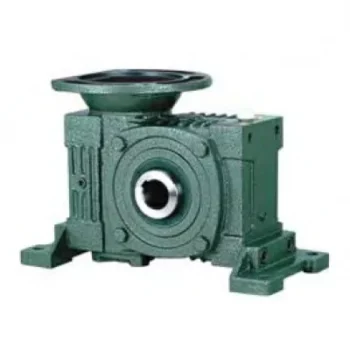
What Industries Commonly Use Worm Reducers?
Worm reducers are versatile mechanical components that find applications in various industries due to their unique advantages and capabilities. Some of the industries that commonly use worm reducers include:
- Material Handling: Worm reducers are widely used in material handling equipment such as conveyors, bucket elevators, and cranes to control movement and manage heavy loads.
- Automotive: They are utilized in automotive manufacturing processes, assembly lines, and vehicle positioning systems.
- Food and Beverage: Worm reducers are used in food processing and packaging machinery where hygiene and cleanliness are crucial.
- Agriculture: Agricultural equipment like irrigation systems and tractors use worm reducers for controlling rotational motion.
- Mining and Construction: Heavy-duty applications in mining equipment, excavators, and construction machinery benefit from the torque multiplication provided by worm reducers.
- Energy: Wind turbines and solar tracking systems use worm reducers to convert low-speed, high-torque motion into rotational energy.
- Textile: Textile machinery employs worm reducers for controlling speed and tension in weaving and spinning operations.
- Packaging: Packaging equipment relies on worm reducers for precise movement and positioning of packaging materials.
- Medical: Medical devices and equipment often utilize worm reducers for their accuracy and controlled motion.
- Printing: Printing machines use worm reducers to regulate paper feed and ensure consistent printing quality.
Worm reducers’ ability to provide high torque output, compact design, and self-locking characteristics makes them suitable for applications requiring reliable and controlled motion across various industries.


editor by CX 2024-02-22